Finding Light in Dark Days: Gratitude for Teens
An A2-level English reading worksheet for teenagers exploring how practicing gratitude can bring comfort and strength during stressful times.
Finding Light in Dark Days: Gratitude for Teens
An A2-level English reading worksheet for teenagers exploring how practicing gratitude can bring comfort and strength during stressful times.
Title
Finding Light in Dark Days: Gratitude for TeensSeo_intro
An A2-level English reading worksheet for teenagers exploring how practicing gratitude can bring comfort and strength during stressful times.
Reading Text
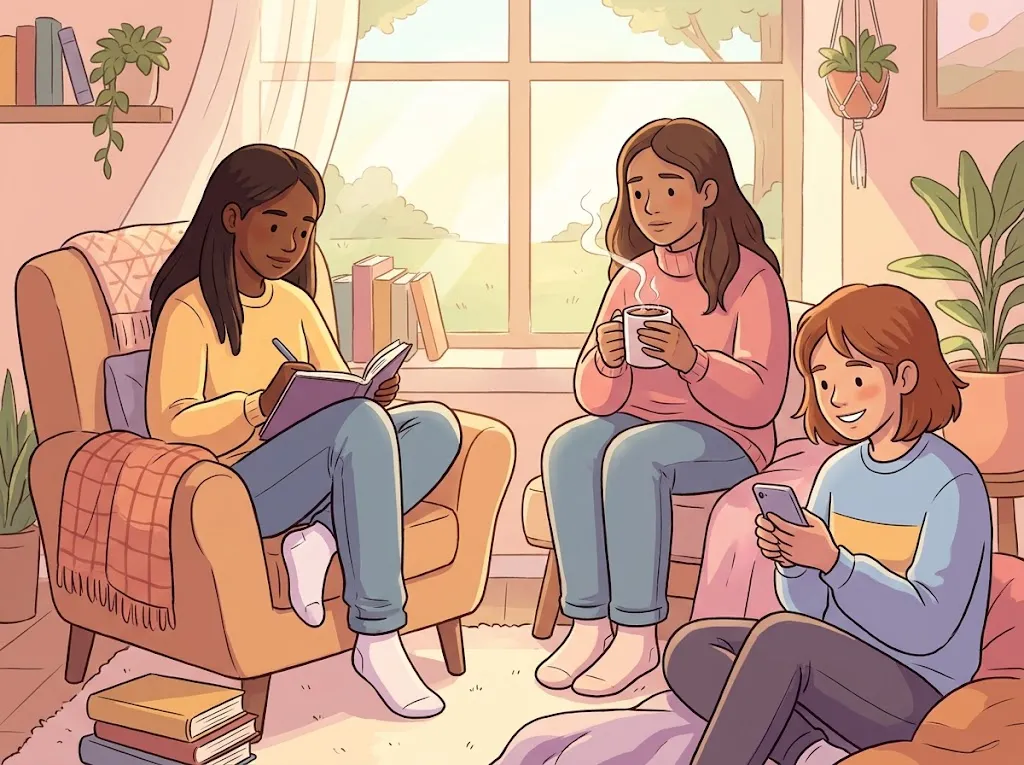
Being a teenager is not always easy. School tests, friendships, and family problems can make you feel stressed. On bad days, you might feel overwhelmed and think that everything is going wrong. However, there is a simple habit that can help: gratitude practice. Gratitude means noticing the good things in your life and feeling thankful for them. When you are sad, your brain only focuses on negative thoughts. Practicing gratitude helps you appreciate small moments. For example, you can write down three nice things before you go to sleep. It could be a warm cup of hot chocolate, a funny message from a friend, or finishing your homework. This habit does not make your problems disappear, but it gives you comfort and strength. It reminds you that good things still happen, even during hard times. When you practice gratitude every day, you develop a positive mindset and feel happier.
Activities
Vocabulary
- Label: stressedAnswer: v1
- Label: overwhelmedAnswer: v2
- Label: gratitudeAnswer: v3
- Label: appreciateAnswer: v4
- Label: comfortAnswer: v5
- Label: mindsetAnswer: v6
- Text: The feeling of being thankful and recognizing the good in life.
- Text: Feeling worried, tense, and unable to relax because of difficult situations.
- Text: A calm feeling of relief when worry or sadness becomes lighter.
- Text: Feeling that you have too many problems or tasks to handle at once.
- Text: A person's general attitude and way of thinking about the world.
- Text: To recognize the value of something and be thankful for it.
- Before: Mark felt veryAfter: the night before his big science exam.Answer: stressed
- Before: When you have too many assignments at once, you might feelAfter: by all the work.Answer: overwhelmed
- Before: Writing in a journal is a popular way to practiceAfter: every day.Answer: gratitude
- Before: It is important toAfter: the kind things your friends do to help you.Answer: appreciate
- Before: A warm cup of tea and a gentle chat brought her greatAfter: after a hard day.Answer: comfort
Comprehension
- Text: Teenagers only experience stress from family problems.Answer: false
- Text: Gratitude means noticing positive things and feeling thankful for them.Answer: true
- Text: Writing down three good things before going to bed is one way to practice gratitude.Answer: true
- Text: Practicing gratitude makes all your problems disappear immediately.Answer: false
- Text: Gratitude can help you build a positive mindset and feel happier.Answer: true
- Answer: Gratitude helps you notice good things in life.
- Answer: You can write down three nice things before sleep.
- Answer: A funny message from a friend can make you smile.
- Answer: This simple habit gives you comfort and strength.
- Answer: Practice gratitude every day to build a positive mindset.
Written Expression
- Text: Write down three small things you are grateful for today. Why did they make you feel good?
- Text:
Think about a stressful day at school. How could practicing gratitude help you feel better on that day?
Example: Today, I am grateful for a warm jacket on a cold morning, my best friend sharing their snack with me, and finishing my English project. These small things made me feel supported and peaceful after a busy day.
Critical Thinking
Why do you think our brains often focus on negative things instead of positive things when we are having a bad day?
How might sharing what you are grateful for with a friend or family member help improve your relationship with them?
References
Recommended for You
Are Organic Foods Really Healthier?
Explore the debate over organic food, comparing nutritional benefits, farming standards, and costs for intermediate Engl...
How Pigs and Ducks Stay Healthy on the Farm
Explore how pigs and ducks use unique body adaptations like mud, feathers, and webbed feet to survive and thrive in thei...
A Helping Hand at the Pond
Read a story about Pig and Duck working together to rescue a stuck toy truck by the pond. Includes vocabulary, reading c...